French Greetings: Essential Phrases, Etiquette & Examples

French greetings are more than words. They signal respect, warmth, and belonging. If you are starting out with greetings in French, you are learning one of the most visible parts of the culture. In this guide you will build practical confidence with French greetings across in-person chats, phone calls, and emails, and you will learn the etiquette that helps you sound natural from day one. We will look at register choices like tu vs vous, common beginner mistakes, and time-of-day expressions. You will also find example phrases you can use right away, along with tips from PrepFrench Classes so you can learn French in a structured way that sticks.
By the end, you will know what to say, when to say it, and how to adjust your tone for friends, colleagues, or strangers. You will also see how small choices, such as adding a title in an email or greeting everyone when you enter a shop, can change how people respond to you. If you prefer a guided path, PrepFrench offers clear, step-by-step French courses that integrate real conversation practice, feedback on pronunciation, and cultural insights. Ready to begin with practical French phrases for beginners? Let’s start with the essentials.
Free First Step
Take the guesswork out of learning French.
Not sure where to begin, which course fits your goal, or how long it will take? Book a free demo class with PrepFrench Classes and get a personalized plan built around your level, schedule, and goals.
Quick-start: 7 Must-Know French Greetings
Basic Greetings and Their Meanings
- Bonjour = Hello or good day. Safe in almost any situation from morning to late afternoon.
- Bonsoir = Good evening. Use in the evening when meeting or entering a place.
- Salut = Hi. Friendly and informal. Use with people you know or peers.
- Enchanté(e) = Nice to meet you. Add the final -e if you identify as female.
- Comment allez-vous ? = How are you? Formal or polite plural.
- Ça va ? = How’s it going? Informal, often with friends and family.
- Bienvenue = Welcome. Use to greet someone arriving at your home, event, or community.
Usage Contexts
In shops or offices, you can rarely go wrong with a warm Bonjour. It is customary to greet upon entering, then say goodbye when leaving. In the evening, switch to Bonsoir. Among friends, Salut is common, and it works for hello and goodbye. When introductions happen, add Enchanté(e) plus your name, then a polite question like Comment allez-vous ? in formal settings or Ça va ? with friends.
To practice these essentials with feedback, you can use sample role-plays from our PrepFrench home page resources or join a small-group session in our French classes. A structured French course helps you learn when to upgrade to vous, when to stay with tu, and how to sound natural in quick exchanges.
Formal vs Informal French Greetings
The Importance of Register
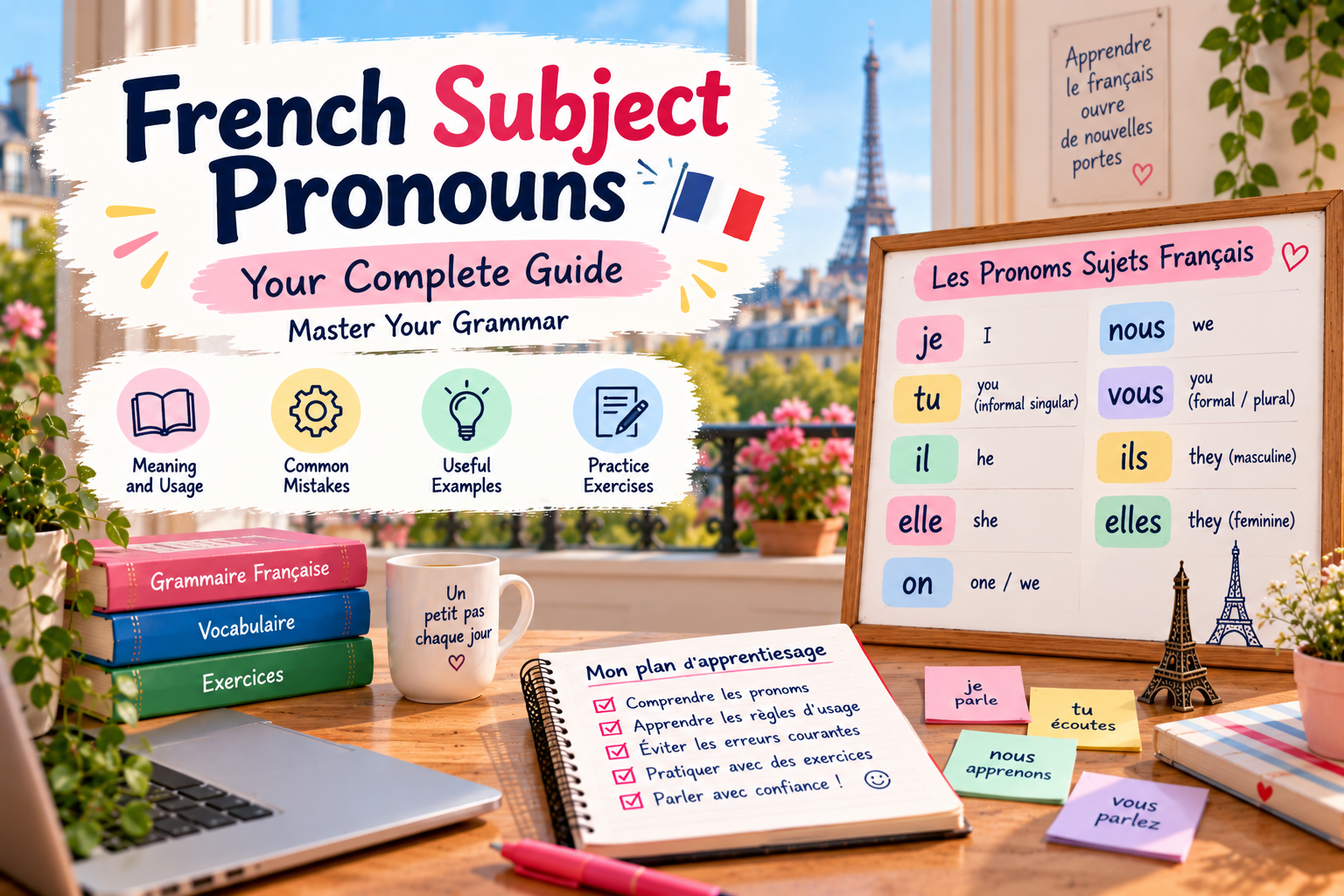
French signals social distance through register and pronouns. The two key forms are tu (informal, singular) and vous (formal or plural). Use vous with strangers, professionals, elders, and in most customer service settings. Switch to tu when invited or with peers, close colleagues, and friends. Register affects your greetings too, from Bonjour, Madame to Salut.
Being too informal too soon can come across as careless. Keeping things too formal with close contacts can feel distant. In PrepFrench Classes, we spend time on register control, because getting this right quickly increases your comfort in real conversations (and it helps in exam dialogues as well if you later prepare for TEF or TCF).
Examples of Formal Greetings
- Bonjour, Madame / Monsieur. A respectful greeting for shops, offices, and first meetings.
- Bonjour, Docteur / Professeur / Maître. Add professional titles when relevant.
- Bonjour, je m’appelle [Name]. Enchanté(e). Standard self-introduction in formal contexts.
- Comment allez-vous ? Follow-up question that keeps the interaction polite.
- Je vous en prie as a polite response to thanks, similar to “You are welcome.”
Contrast that with informal settings:
- Salut ! Use with friends, classmates, and people your age when appropriate.
- Ça va ? Quick check-in that fits casual tone. Answer: Ça va, et toi ?
- Salut, moi c’est [Name]. Enchanté(e) ! Friendly introductions, often with a smile.
When you are unsure, default to polite. You can always relax the register if the other person moves to tu or uses an informal greeting. If you want deeper practice with register choices in workplace or exam scenarios, explore the speaking modules in our Full TCF Canada Course. Even if you are not sitting the test, those lessons sharpen real-world conversation skills.
Structured French Courses
Stop learning French the slow way.
Apps and random videos keep you stuck at beginner level forever. PrepFrench Classes gives you a structured path, a real teacher, and speaking practice that moves you forward at every lesson.
Available for: beginners · TEF/TCF exam prep · Canadian PR · work and daily French
Time-of-Day Greetings
Morning, Afternoon, and Evening Greetings
Bonjour works from morning until late afternoon. Many speakers keep it until 5 or 6 p.m. In a café at noon or 3 p.m., Bonjour is still perfect. For the evening, switch to Bonsoir, a polite way to say hello when it is dark or after typical working hours.
Bonne nuit is not a greeting when you arrive somewhere. It is a farewell before going to sleep. Parents say it to children, friends say it at the end of a late chat, and partners might use it in a message before bed. If you walk into a restaurant at 9 p.m., do not use Bonne nuit as a hello. Say Bonsoir to the host.
When you leave during the day, try Bonne journée for “Have a good day.” In the evening, use Bonne soirée to wish someone a good evening as you part.
Common Mistakes
- Using Bonne nuit as a hello at night. Correct: Bonsoir for greeting, Bonne nuit when saying goodnight.
- Overusing Salut with strangers. Correct: start with Bonjour in shops, offices, and formal contexts.
- Saying Bon après-midi as a greeting. It is rare as a greeting in France. Use Bonjour until evening.
- Forgetting to match the farewell to the time: Bonne journée before evening, Bonne soirée after.
If you want quick feedback on when to switch from Bonjour to Bonsoir and how different regions handle these choices, you can review short speaking drills in our French courses. In live practice, these details become automatic.
Greetings for Phone and Email Communication
Greeting on the Phone
When you pick up in French, you will often hear Allô ? It is the classic French phone greeting, especially in personal calls. For more formal or professional answers, you might hear a version of Bonjour plus the company and name: Bonjour, société Dupont, Claire à l’appareil or Bonjour, ici Claire Dupont.
Useful lines:
- Allô ? Standard phone hello. Informal to neutral.
- Bonjour, [Name] à l’appareil. Polite way to identify yourself.
- Puis-je parler à [Name], s’il vous plaît ? May I speak to [Name], please?
- Je vous remercie de votre appel. Au revoir. Courteous closing line.
Voicemail greetings are short: Bonjour, vous êtes bien sur la messagerie de [Name]. Laissez-moi un message, je vous rappelle dès que possible.
Email Greetings and Closings
Emails show register through the opener, the person’s title, and the closing formula. Here are reliable choices:
- Madame, Monsieur, Very formal when you do not know the recipient.
- Bonjour Madame [Last name], or Bonjour Monsieur [Last name], Polite and common in professional emails.
- Bonjour [First name], Friendly and semi-formal, often used once a relationship is established.
Closings you can trust:
- Cordialement or Bien cordialement Neutral professional closing.
- Bien à vous Polite and slightly warm.
- Merci d’avance When you are asking for help and appreciate it beforehand.
- Sincères salutations Formal and respectful.
If you need to practice tone for client emails or internal messages, PrepFrench integrates writing tasks into your online French classes so your greeting, closing, and register stay consistent across formats.
Farewells and Variations
Common Farewells
- Au revoir Goodbye. Works almost everywhere.
- Salut ! Bye. Informal with friends or peers.
- À bientôt See you soon. Friendly and versatile.
- À tout à l’heure See you later, same day.
- À demain See you tomorrow. Clear and natural.
- Bonne journée / Bonne soirée Have a good day/evening. Great polite add-on when leaving.
- Bonne nuit Good night. Only when someone is going to sleep.
Contextual Differences
With colleagues at the end of the afternoon, Bonne fin de journée adds a courteous touch. With teammates you will see tomorrow, À demain fits. In shops, closing with Merci, au revoir, bonne journée is polite and expected in many places. Among friends, a casual Salut, à plus tard or simply À plus keeps the tone light.
In PrepFrench Classes you practice these endings in role-plays, because the farewell sets tone for the next conversation. If you would like a quick live demo of how we teach real-life exchanges, reach out here: Contact / Free Demo.
Common Mistakes and How to Avoid Them
Misuse of Greetings
- Bonne nuit as a hello: use Bonsoir to greet in the evening, save Bonne nuit for bedtime farewells.
- Salut in professional settings: start with Bonjour plus a title or name until invited to be informal.
- Forgetting to greet on entry: in small shops or offices, say Bonjour when you walk in and Au revoir when you leave.
- Ignoring titles: when known, use Madame or Monsieur, and professional titles like Docteur or Professeur.
Correct these by building a short mental checklist: greet, add title if relevant, match time-of-day, choose register, and add a brief closing when leaving. With repetition, it becomes routine and you will notice more positive responses in daily interactions.
Register Errors and Corrections
- Jumping to tu too fast: start with vous, then mirror the other person if they switch to tu.
- Email tone mismatch: avoid friendly openers with very formal closings, or the reverse. Keep the greeting and sign-off aligned.
- Flat intonation: even with perfect words, a flat tone can feel cold. Smile and add a friendly Bonne journée at the end.
In our French courses, you get live correction on pronunciation and register, plus short scripts for professional calls and emails. That feedback loop is what makes your greetings natural and confident quickly.
PrepFrench Classes
Ready to start French with a clear plan?
Book a FREE demo class and get a personalized roadmap for your level, goal, and timeline. No pressure, no obligation.
Explore courses:
All French Courses · Full TCF Canada Course · Full TEF Canada Course
FAQs
What is the difference between bonsoir and bonne nuit?
Bonsoir is a greeting used in the evening, similar to “Good evening” when you arrive or start a conversation. Use it when you walk into a restaurant, join an event after dark, or meet someone in the evening. Bonne nuit is a farewell used when someone is going to sleep. It closes the day. Think of it as “Good night” at bedtime. If you enter a place at 9 p.m., say Bonsoir, not Bonne nuit. If you want more guided examples, our online French classes at PrepFrench cover time-of-day greetings with live practice.
Can I use salut in professional settings?
Generally, no. Salut is informal and best with friends, classmates, or colleagues you know very well. In professional or first-time contexts, start with Bonjour, often plus a title or last name. Once the relationship is friendly and the other person uses tu and informal tones, you can mirror that. If you are unsure, default to polite. PrepFrench Classes includes register training so you learn when to keep your greetings formal and when it is safe to relax into Salut.
How do I greet someone formally in French?
Use Bonjour, Madame/Monsieur, then introduce yourself: Bonjour, je m’appelle [Name]. Enchanté(e). Add a polite question like Comment allez-vous ? In emails, open with Madame, Monsieur, or Bonjour Madame/Monsieur [Last name], and close with Cordialement. If a title applies, use it, for example Bonjour Docteur. To practice formal scripts with a teacher, consider a structured French course at PrepFrench with real-time feedback on tone and accuracy.
What are common email greetings in French?
For formal messages, write Madame, Monsieur, if you do not know the recipient. If you have a name, use Bonjour Madame/Monsieur [Last name], For semi-formal or friendly professional emails, Bonjour [First name], works well. Reliable sign-offs include Cordialement, Bien cordialement, and Bien à vous. For requests, Merci d’avance is common. PrepFrench French lessons include email writing drills so you can align your greeting, body tone, and closing consistently.
How do you respond to “enchanté(e)”?
Reply with Enchanté(e) as well, or add a short polite phrase: Ravi(e) de faire votre connaissance or Très heureux/heureuse. If the context is formal, keep vous: Enchanté, Monsieur Dupont. In informal settings, you could add your name: Enchanté, moi c’est [Name]. In PrepFrench Classes, you will practice first-meeting dialogues so this exchange feels natural, and you will get pronunciation feedback to make your greeting confident and clear.
Final Thoughts
Mastering French greetings unlocks smoother conversations and better cultural integration. You now know how to greet in person, on the phone, and in emails, how to switch between tu and vous, and how to avoid classic pitfalls like using Bonne nuit at the wrong moment. With steady practice, these expressions move from memorized lines to second nature.
If you want a guided path to learn French and turn knowledge into confident speaking, PrepFrench Classes can help. Our French courses focus on real-life context, targeted vocabulary, and immediate feedback so your greetings, openings, and closings match the moment. From quick shop visits to professional emails, you will sound natural and polite in French.
✅ Next Step: Book a free demo class with PrepFrench Classes and start learning French the right way.
Keep practicing greetings in real-life contexts for a week: greet shopkeepers, test a formal email opener, and try an evening Bonsoir. Small repetitions build natural fluency fast.
Written by
Platform Administrator
Practical ideas from the Prep French team for learners building confidence, preparing for exams, and planning their next step in Canada.
Join the discussion
Leave a thoughtful comment.
Your email address will not be published. Comments are reviewed before appearing.