7 Traditional Christmas Foods in France You Should Try
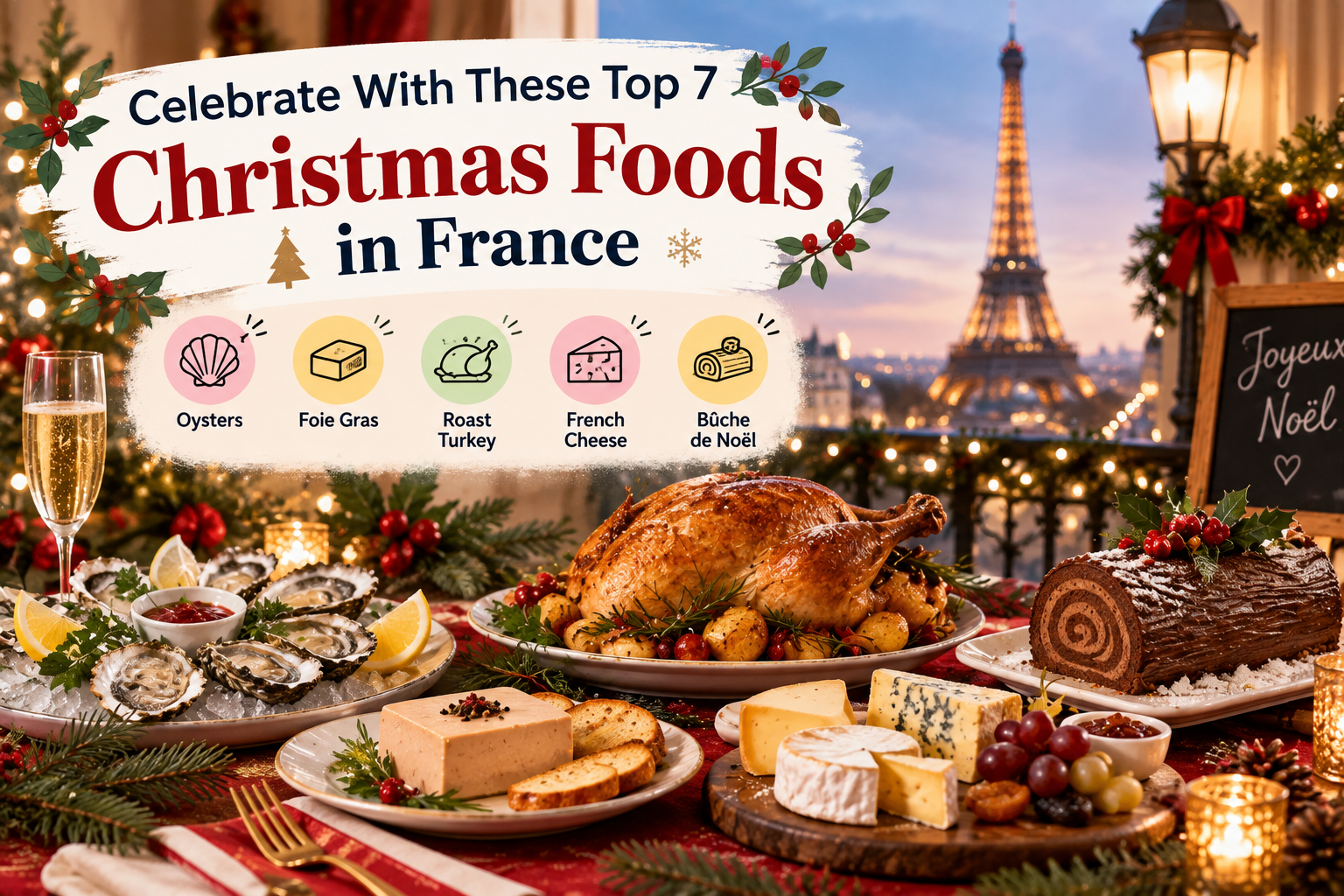
Planning your festive travels or simply curious about French holiday flavors? Christmas foods in France are as much about tradition as they are about taste. The centerpiece is the Réveillon feast on Christmas Eve, a long, convivial meal that reflects centuries of regional customs and seasonal ingredients. From oysters on ice to a showstopping bûche de Noël, the classic French Christmas dinner menu blends elegance with comforting rituals. In this traveler’s guide, you will learn how Réveillon works, what to expect on a typical table, how dishes vary by region, and how to order and enjoy them with confidence. If you want to make the most of your culinary trip, pairing these insights with French classes can elevate everything: you will read menus, ask questions, and chat with servers like a local. PrepFrench Classes helps you learn French for travel and food culture through engaging lessons, practical vocabulary, and real conversation practice. Explore more on the PrepFrench homepage or browse our French courses to get language-ready for your next festive adventure.
Free First Step
Take the guesswork out of learning French.
Not sure where to begin, which course fits your goal, or how long it will take? Book a free demo class with PrepFrench Classes and get a personalized plan built around your level, schedule, and goals.
What is Réveillon?
Réveillon refers to the late-night feast held on Christmas Eve in France. The word comes from “réveiller,” to wake up, which hints at its nocturnal spirit. Families and friends gather after the evening church service, or simply when everyone arrives, and the meal can stretch past midnight. This is not a quick bite. Courses arrive in a graceful sequence: apéritifs, seafood, foie gras, a main bird like turkey or capon, a cheese course, and finally the iconic bûche de Noël. Candles glow, conversation flows, and each region adds its signature touches. While Christmas Day often brings a second, more relaxed lunch, Réveillon carries the cultural weight and the best of traditional French Christmas dishes.
Historical Context of Réveillon
Originally rooted in Catholic practice, Réveillon grew around the tradition of attending Midnight Mass, then sharing a festive meal. Over time, the religious framework broadened into a national custom that many households embrace regardless of church attendance. Winter luxury foods like oysters and foie gras became staples because they felt special and traveled well from France’s coasts and countryside to urban centers. Today, Réveillon blends heritage and modern taste: you might see a classic capon stuffed with chestnuts, or a contemporary twist on the log cake flavored with exotic fruits. Through it all, the spirit stays the same, a warm, drawn-out celebration of togetherness.
Celebratory Customs
The atmosphere of Réveillon is unhurried. Expect sparkling wine to open the evening, seafood to begin, a generous roast to anchor the meal, and a cheese platter before dessert. Homes set elegant tables with seasonal greenery and candlelight. In some regions, extra place settings symbolically welcome the unexpected guest. Toasts are frequent, so knowing a few phrases helps: “Joyeux Noël” for Merry Christmas, “Santé” for cheers, and “Bon appétit” before you start. If your goal is to speak French comfortably at the table, short practice sessions make a difference. Our free demo class shows how PrepFrench Classes can equip you with holiday-ready vocabulary and polite expressions, so you feel at ease reading menus and ordering dishes during your trip.
The Top 7 Christmas Foods in France
Below are the essential French Christmas foods that define Réveillon, plus where you are most likely to encounter them and how they fit the flow of the evening.
- Oysters and Seafood Platters (les huîtres, plateaux de fruits de mer): The quintessential opener. Oysters on the half-shell sit over ice, served with lemon, shallot-vinegar mignonette, and rye bread with butter. Many families also add prawns, crab, whelks, or clams. If you see “Fines de Claire,” these are refined, delicately briny oysters from the Atlantic coast. Ordering tip: “Une douzaine d’huîtres, s’il vous plaît.”
- Foie Gras: A rich terrine or pan-seared slice served with toasted brioche, fig jam, or onion confit. It is symbolic of celebration and culinary craftsmanship. You will often find it as a dedicated course after the seafood. Expect wine pairings like Sauternes or a late-harvest Alsace Gewürztraminer. If you prefer to skip it, say: “Je ne mange pas de foie gras.”
- Smoked Salmon (saumon fumé): A popular, elegant starter that can be served with blinis, crème fraîche, dill, or lemon. Many households buy high-quality slices from their fishmonger before the holiday rush. It is light yet festive, making it a frequent entrée before heavier dishes. Look out for “Label Rouge” for premium French standards.
- Coquilles Saint‑Jacques (scallops): A classic French Christmas entrée, often seared in butter with a splash of white wine, or baked gratinéed in their shells with a creamy sauce. Scallops mark the season in Brittany and Normandy, and they appear on many holiday menus across the country. Ask: “Comment sont préparées les Saint‑Jacques aujourd’hui ?”
- Roast Turkey or Capon (dinde rôtie, chapon): The family-style centerpiece. Turkey stuffed with chestnuts is a long-standing favorite, while capon offers extra tender, rich meat that many consider more luxurious. Sides might include pommes dauphine, gratin dauphinois, glazed carrots, and buttered green beans. Servers may describe the bird as “farci aux marrons,” which means chestnut-stuffed.
- Cheese Course (plateau de fromages): After the main and before dessert, a curated selection arrives with bread, sometimes with small seasonal salads. Expect a balance of textures and milks, such as Comté, Brie de Meaux, Roquefort, and a goat cheese like Sainte-Maure. There is no rush. Cut small slices, enjoy the sequence, and sip wine to reset your palate.
- Bûche de Noël: The iconic yule log cake, a rolled sponge layered with buttercream or mousse, often flavored with chocolate, coffee, praline, or chestnut. Pâtisseries showcase limited-edition designs in December. This is the dessert you will remember, both for its theatrical look and its delicate textures. If you want to ask for slices at a bakery: “Deux parts de bûche de Noël, s’il vous plaît.”
Together, these dishes form the backbone of a traditional French Christmas dinner menu. For travelers, the experience is immersive: the clink of glasses, the scent of roasting poultry, the snap of a meringue garnish on the bûche. If you want to confidently choose and order any of these, practicing key phrases in online French classes will make every bite even more rewarding.
Structured French Courses
Stop learning French the slow way.
Apps and random videos keep you stuck at beginner level forever. PrepFrench Classes gives you a structured path, a real teacher, and speaking practice that moves you forward at every lesson.
Available for: beginners · TEF/TCF exam prep · Canadian PR · work and daily French
Regional Variations in Christmas Foods
Christmas foods in France vary by region, shaped by local produce, climate, and centuries of custom. While the Réveillon structure is familiar almost everywhere, the details change: almonds and candied fruits shine in Provence, baking traditions dominate Alsace, and Lyon’s sweet tooth emerges in Papillotes, a playful chocolate wrapped with a tiny joke or proverb. Knowing these regional treats helps you read shop windows and menus more confidently, and it turns a December stroll into a cultural lesson. Try pairing your tasting with a quick vocabulary review through a focused French course, so you can ask for specialties by name and chat with shopkeepers.
The 13 Desserts of Provence
In Provence, Christmas often ends with a symbolic spread of thirteen desserts, representing Christ and the twelve apostles. Families prepare and display them together, then guests sample a bit of everything. The lineup varies, but these items are common:
- The “Four Beggars” dried fruits: walnuts or hazelnuts, almonds, raisins, figs
- Nougat blanc and nougat noir
- Calissons d’Aix, almond-based confections
- Pompe à l’huile, a citrus-scented olive oil bread
- Fresh or candied fruits, often including mandarins and melon
- Local specialties like candied orange peel or quince paste
To order at a bakery, try: “Avez-vous des calissons et de la pompe à l’huile ?” The shopkeeper might suggest boxed assortments that travel well.
Alsatian Christmas Biscuits (Bredele)
Alsace, known for its Christmas markets, is the kingdom of spiced biscuits and festive bakes. Bredele come in many shapes and flavors, displayed in cheerful tins at bakeries and market stalls.
- Butter sablés cut into stars or hearts
- Cinnamon and spice cookies, sometimes glazed
- Orange or lemon zest biscuits that pair well with tea
- Almond crescents dusted with sugar
Even if you are passing through for a day, a small assortment offers a quick taste of Alsatian tradition. Ask: “Un assortiment de bredele, s’il vous plaît.”
Unique Lyonnais Treats (Papillotes)
Lyon’s holiday signature is the Papillote, a chocolate or candied fruit encased in a twist of shiny paper, often with a tiny message inside. They appear on tables during Réveillon and make ideal gifts for hosts. Varieties range from dark chocolate truffles to pralines. You can buy them by weight in confectionery shops or supermarkets. Vocabulary tip: “Papillotes au chocolat noir” if you prefer dark chocolate, or “aux fruits confits” for the candied fruit version.
French Christmas Drinks and Pairings
Festive drinks in France elevate the flavors of the meal. Champagne is the star, supported by regional wines for seafood and roast dishes, plus warm market favorites like vin chaud. A little pairing knowledge helps you order with confidence and enjoy every course fully.
Champagne and Its Significance
Champagne, produced within the protected AOC region of the same name, sets the tone of celebration. Its acidity and fine bubbles suit oysters and smoked salmon, and many hosts open the evening with a bottle of Brut. You may also encounter grower Champagnes with distinctive terroir or a Blanc de Blancs for extra finesse. If you prefer a budget-friendly option with similar flair, Crémant from Alsace, Burgundy, or the Loire is a fine alternative that often appears at home gatherings.
Wine Pairing Basics with Traditional Foods
Use these simple guidelines to match classic dishes with dependable wines. When in doubt, ask the server for “un accord mets-vin,” a food and wine pairing suggestion.
- Oysters and seafood platters: Champagne Brut, Chablis, Muscadet Sèvre et Maine
- Foie gras: Sauternes, late-harvest Gewürztraminer, or a well-chilled Jurançon moelleux
- Smoked salmon: Champagne, Sancerre, or a mineral-driven white Burgundy
- Coquilles Saint‑Jacques: Meursault or Pouilly-Fuissé for creamy versions, Muscadet for fresher styles
- Roast turkey or capon: A medium-bodied red like Burgundy Pinot Noir or a refined Bordeaux; white lovers can try a full-bodied white Rhône
- Cheese course: Match by intensity, from lighter whites with goat cheese to fuller reds with aged cow’s milk cheeses
- Bûche de Noël: Coffee alongside chocolate flavors, or a delicate demi-sec Champagne if you prefer bubbles with dessert
In Christmas markets you will also find vin chaud (mulled wine), hot chocolate, and regional liqueurs like Chartreuse, Armagnac, or Calvados to close the meal. If you want help building drink vocabulary quickly, short targeted lessons inside our French lessons make it easy to order like a pro.
PrepFrench Classes
Ready to start French with a clear plan?
Book a FREE demo class and get a personalized roadmap for your level, goal, and timeline. No pressure, no obligation.
Explore courses:
All French Courses · Full TCF Canada Course · Full TEF Canada Course
FAQ: Christmas foods in France and practical tips
What is Réveillon, and how is it celebrated?
Réveillon is the festive Christmas Eve dinner in France. Families and friends gather late, sometimes after church, for a long meal that may run past midnight. The sequence often starts with Champagne and seafood, followed by foie gras, a main bird like turkey or capon, a cheese course, and bûche de Noël for dessert. It is unhurried and celebratory, with toasts and conversation. If you plan to travel, learn simple phrases in French to read menus and order confidently. Short, targeted French lessons from PrepFrench help you prepare for the flavors and the etiquette of Christmas Eve in France.
Why are oysters and foie gras popular at Christmas in France?
These items symbolize celebration and winter indulgence. Oysters peak in quality in the colder months and are easy to serve in large quantities. Foie gras has long been associated with festive occasions, often presented as a terrine with brioche and sweet condiments. Their flavors open the appetite and set a luxurious tone for the meal. If you need alternatives, ask for other starters like smoked salmon or scallops. To learn the right vocabulary to request swaps politely, try a focused PrepFrench session before your trip.
What are the 13 desserts of Provence?
The 13 desserts represent Christ and the apostles, and they are served together at the end of Christmas dinner in Provence. The list varies by family, but usually includes the Four Beggars dried fruits (walnuts or hazelnuts, almonds, raisins, figs), nougat blanc and noir, calissons d’Aix, pompe à l’huile, and seasonal fruits like mandarin. Shops also sell candied orange peel, quince paste, and other local sweets. Visiting Provence in December is a great chance to taste them all. Knowing names in French helps you order quickly: consider a quick French course that covers dessert vocabulary.
How do I order these traditional dishes in French?
Use clear, polite phrases. A few examples: “Je voudrais une douzaine d’huîtres, s’il vous plaît” for oysters; “Quelles sont les entrées du jour ?” to ask about starters; “Comment est préparée la dinde ?” about turkey; “Une part de bûche de Noël, s’il vous plaît” for dessert. If you have allergies, say “Je suis allergique à…” followed by the ingredient. Practicing with a teacher improves your pronunciation and confidence. PrepFrench offers online French classes where you role-play restaurant situations and learn service etiquette.
Where can I find these foods while traveling in France?
Look for Réveillon menus in traditional bistros and brasseries, especially in December. Fishmongers sell oysters and seafood platters to take away. Pâtisseries display bûches de Noël in their windows during the week before Christmas. In Provence and Alsace, local specialties appear in markets and bakeries. For holiday dining, reserve early, confirm the fixed-price menu, and ask about seatings. If you want help making calls or writing booking emails in French, book a free demo class with PrepFrench and practice practical phrases with a French teacher.
Final Thoughts
Experiencing Christmas foods in France is a feast for the palate and the senses. Réveillon invites you to slow down, savor each course, and notice the details that define French hospitality, from crisp oysters to the final forkful of bûche de Noël. Regional traditions, like the 13 Desserts of Provence or Alsace’s Bredele, add even more color to the season.
If you plan to travel, a little language goes a long way. Learn French with intention, then use it to read chalkboard menus, ask for recommendations, and enjoy natural conversation with servers and shopkeepers. PrepFrench Classes gives you a structured path to real confidence, with a French course that fits your schedule and goals. Browse our French courses or speak with us to map your plan.
✅ Next Step: Book a free demo class with PrepFrench Classes and start learning French the right way.
French culture lives at the table. When you pair these traditions with the right words and confidence, your holiday memories last even longer.
Written by
Platform Administrator
Practical ideas from the Prep French team for learners building confidence, preparing for exams, and planning their next step in Canada.
Join the discussion
Leave a thoughtful comment.
Your email address will not be published. Comments are reviewed before appearing.